
Mental health and managing stress are significant factors in maintaining overall health. In our busy and competitive lives, it’s common to feel overwhelmed, anxious, or even burnt out. Luckily, there are evidence-based practices to enhance mental health and mitigate stress levels effectively. These scientifically proven and tested practices can make a real difference in how one feels day-to-day. Here are five practical and science-based tips on how to improve mental health and decrease stress:
1. Practice Regular Physical Activity
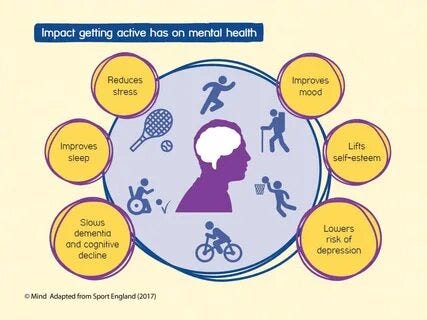
Regular exercise is one of the best tools to enhance mental health and prevent stress. Exercise is beneficial for both body and mind. Scientists have shown that physical activity enhances the secretion of endorphins, or “feel-good” hormones, which help people relieve tension and anxiety. In addition, exercise promotes quality sleep, increases energy, and generally improves mood.
How Exercise Assists Mental Health:
- Reduces Stress: Physical activity reduces the level of cortisol, a hormone that your body releases when you experience stress. This makes you feel calmer and less anxious due to lower cortisol levels.
- Enhances Mood: Regular exercise also helps increase serotonin levels in your brain, an important chemical responsible for regulating your mood and avoiding depression.
- Improves Sleep: Exercise helps you fall asleep faster, sleep deeper, and feel more rested. Quality sleep is crucial for maintaining good mental health.
Recommended Activities:
You don’t have to run a marathon to benefit from exercise. Activities like walking, yoga, cycling, or swimming can be highly effective. Aim for at least 30 minutes of moderate physical activity most days of the week.
2. Cultivate Mindfulness and Meditation
Mindfulness and meditation are effective practices for reducing stress levels and improving mental health. These practices focus on being present and fully concentrating on your surroundings. They can help you manage negative thoughts and emotions. Researchers have found that mindfulness reduces symptoms of anxiety, depression, and stress, and even improves cognitive function.
How Mindfulness and Meditation Improve Mental Health:
- Reduces Stress: Mindfulness and meditation help you regulate your emotions by increasing your ability to stay calm and present during stressful situations.
- Increases Self-Awareness: These practices encourage greater self-awareness, which helps you identify the causes of stress and negative thought patterns, leading to better emotional regulation.
- Enhances Focus and Concentration: Regular meditation improves focus, attention, and memory, making it easier to face the day’s tasks with a calm and clear mind.
Tips on How to Get Started:
- Mindful Breathing: Focus on your breath for a few minutes a day. Inhale for four, hold for four, exhale for four.
- Guided Meditation: Many apps and online resources provide guided meditation sessions that can help you stay focused and reduce stress.
- Mindful Walking: You can also walk slowly, paying attention to your surroundings, bodily sensations, and breath as a mindfulness practice.
3. Establish Healthy Sleep Habits
Lack of sleep can lead to problems, including increased stress, irritability, and poor attention. However, well-being improves when one sleeps with a clear mind, calm emotions, and good control over mental functions.

Effect of Sleep on Mental Health:
- Restores the Brain: Sleep helps the human brain process emotions, consolidate memories, and restore mental clarity.
- Reduces Stress: Sleep deprivation increases the levels of stress hormones such as cortisol. Getting enough sleep allows your body to recover and balance these hormones.
- Improves Decision Making: A rested brain is better able to handle stress and make rational decisions, reducing the likelihood of stress-induced errors.
Tips for Better Sleep:
- Establish a Consistent Sleep Schedule: Go to bed and wake up at the same time every day to regulate your body’s internal clock.
- Create a Sleep-Friendly Environment: Keep your bedroom dark, quiet, and cool. Use comfortable bedding to ensure maximum comfort.
- Limit Screen Time Before Bed: The blue light emitted from phones, tablets, and computers can disrupt sleep. Try to avoid screens at least one hour before bed.
4. Develop Positive Social Relationships
Social contacts are essential for good mental health. Strong relationships with family, friends, and coworkers provide support, combat loneliness, and help cope with stress. Researchers have found that people who have strong social relationships are more resilient to stress and generally enjoy better mental health.
Benefits of Social Connections to Mental Health:
- Emotional Support: Talking to friends and family about your feelings and problems can reduce loneliness and provide a sense of relief.
- Building Resilience: Social connections help reduce tension buildup from stress and promote faster recovery from challenges.
- Improved Self-Esteem: Positive interactions with others can boost your self-esteem and provide a sense of belonging, both of which are key to maintaining good mental health.
Ways to Strengthen Social Bonds:
- Make Time for Loved Ones: Prioritize spending time with family and friends, whether it’s through phone calls, meet-ups, or online chats.
- Join Social Groups: Engage in hobbies, sports, or community organizations that interest you to connect with others and widen your social circle.
- Seek Professional Support: If you’re struggling with stress or mental health, a therapist or counselor can offer support and provide coping strategies.
5. Maintain a Healthy, Balanced Diet
Your mental state is directly related to the foods you consume. A balanced diet, rich in nutrients, affects your mood, cognitive function, and stress levels. Certain foods are known to reduce stress, while others may increase it.
How Nutrition Affects Mental Health:
- Brain Function: A balanced intake of foods provides your brain with the nutrients it needs to function properly. This enhances memory, concentration, and other cognitive functions.
- Regulates Hormones: Proper nutrition helps regulate cortisol and other stress hormones in the body, helping you keep your stress levels in check.
- Mood Stability: Foods rich in omega-3 fatty acids, B vitamins, and antioxidants support brain health and reduce the risk of mood disorders.
Tips for Eating for Mental Health:
- Eat Whole Foods: Focus on unprocessed, whole foods like fruits, vegetables, whole grains, lean proteins, and healthy fats.
- Drink Water: Avoid dehydration, which can impair cognitive function and increase stress. Stay hydrated throughout the day.
- Limit Caffeine and Sugar: Although caffeine and sugar can provide quick energy boosts, their crashes can lead to increased feelings of stress and anxiety. Enjoy them in moderation.
Conclusion
Improving your mental health and reducing stress requires time, effort, and the adoption of healthy habits. A well-rounded regimen of regular exercise, mindfulness practices, sleep hygiene, social connections, and a healthy diet can reduce stress levels and boost mental health. These five evidence-based strategies are proven to work, customizable to individual needs and lifestyles, and supported by scientific research.
Remember, mental health is just as important as physical health. Take proactive steps to manage stress, and you can lead a happier, more fulfilling life. Start small, be patient with yourself, and gradually integrate these practices into your daily routine to experience the long-term benefits of reduced stress and improved mental health.


0 Comments