
You want to lose weight not just by shedding pounds but by adopting healthier habits that benefit your general well-being. Today, there are a variety of weight-loss strategies available, but the best ones are those that are easy, sustainable, and align with your long-term health goals. In this article, we’ll discuss 10 health tips for weight loss that can help you safely reduce weight and maintain a healthier lifestyle.
1. Eat Whole, Unprocessed Foods
One of the easiest ways to get off to a great start and lose weight is to adopt a diet rich in whole, unprocessed foods. Most of these foods are replete with nutrients, low in empty calories, and provide fuel for your body to properly function. Fresh vegetables and fruits, lean proteins, whole grains, and healthy fats should form the skeleton of your diet.
On the other hand, processed foods are often laden with unhealthy fats, sugars, and preservatives that promote weight gain. When you make whole foods your top priority, you will end up feeling full for much longer periods and avoid frequent snacking at unhealthy joints.
Tip:
Fill half of your plate with vegetables, one-quarter with lean protein, and one-quarter with whole grains.
2. Stay Hydrated
Proper hydration is integral to health, including weight loss. Sometimes our bodies make mistakes and believe that we’re hungry when in fact it’s thirst, causing an increase in unnecessary consumption at meals. Staying hydrated will help with these unnecessary cravings and your metabolism too.
Drinking water also helps reduce the amount you eat since it makes you feel more full. Also, if you drink enough water throughout the day, it has a role in digestion because it helps the body rid itself of toxins.
Tip:
Drink a glass of water 20 minutes before meals to help increase digestion and reduce hunger.
3. Eat Mindfully
Mindful eating is a great weight-loss strategy. Eating slowly with attention to your food reduces overeating and creates a healthier relationship with food. A mindful eater is aware of internal hunger cues and can differentiate between physical and emotional hunger.
Slow eating will make your brain send signals that you are full, hence avoiding overeating. Savor each bite, minimize distractions, and be fully present during meals.
Tip:
Switch off the TV or put away your phone while eating so that you are fully in tune with your meal.
4. Incorporate Regular Exercise
Exercise is one of the most effective ways to burn calories and promote weight loss. It not only helps you shed fat but also builds muscle, which increases your metabolism and helps you maintain a healthy weight over time. While any physical activity is beneficial, combining both cardio and strength training exercises is ideal for weight loss.
Cardiovascular exercises, such as walking, jogging, cycling, or swimming, can burn calories very well. Strength training through weightlifting or bodyweight exercises builds lean muscle mass, increasing your resting metabolism.
Tip:
For at least 150 minutes per week, you should have moderate-intensity exercise, and strength training at least two days a week.
5. Get Enough Sleep
Sleep is oftentimes forgotten when discussing weight loss. However, it is in this aspect where your body has a higher chance to lose weight. Lack of sleep affects hunger hormones called ghrelin and leptin that regulate the appetite and makes you hungrier and yearns for foods that contain lots of calories and even bad fats.
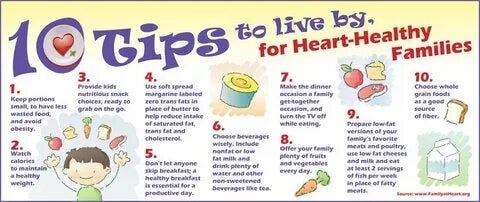
Moreover, insufficient sleep can hinder your body’s ability to recover after workouts, making exercise less effective. Prioritizing a consistent sleep schedule and getting 7–9 hours of quality sleep each night is crucial for weight loss and overall health.
Tip:
Try to establish a bedtime routine and aim for consistent sleep patterns to improve your sleep quality.
6. Control Portion Sizes
Portion control can be an easy and mighty tool in weight loss for most individuals. Most persons overeat because they know not what a proper portion is. You can be able to avoid overeating and at the same time consume the right amount of calories that your body needs by consuming smaller portions.
Using smaller plates, measuring your food, and being mindful of serving sizes are all ways you can ensure control over the portions of food you take. Finally, listen to your body’s hunger and fullness cues so you do not eat beyond what your body actually needs.
Tip:
Use smaller plates and bowls to help reduce portion sizes and avoid overeating.
7. Track Your Food Intake
Tracking what you eat can help you hold yourself accountable and identify where you may be overeating or consuming too many calories. Using a food diary, a mobile app, or a fitness tracker to document your food intake will give you a good sense of what you are eating.
This way, tracking food would allow you to see just how much nutritional value of food you are consuming and making healthier choices. Generally, being more conscious in making food choices will often mean better decisions that comply with your weight loss target.
Tip:
Use food tracking apps to log meals and snacks that may help you stay on track with your goals and achievements of weight loss.
8. Manage Stress
Chronic stress is among the leading causes of weight gain, particularly around the abdominal area. Stress triggers your body to produce the hormone cortisol, which triggers hunger and can lead to overeating, especially unhealthy comfort foods. Stress management is an important aspect of healthy weight maintenance.
One can seek ways to reduce stress in life, such as meditation, deep breathing exercises, yoga, or hobbies of your choice. This may help reduce cortisol levels and improve mental health.
Tip:
Practice mindfulness techniques like meditation or yoga to decrease stress and enhance overall well-being.
9. Limit Sugar and Refined Carbs
Sugar and refined carbohydrates are going to cause spikes in the blood sugar levels along with crashes, which creates a feeling of increased hunger and cravings. Too much sugar and refined carbs result in fat storage, especially at the abdominal area.
Focus instead on complex carbs, like whole grains, legumes, and vegetables, which contain fiber and leave you feeling fuller for longer periods. Cutting down on your sugar consumption can also make your blood sugar levels normalize and help you have energy throughout the day.
Tip:
Replace sugary snacks with healthier ones such as fruits or nuts when you want to curb those desires and achieve your weight loss goals.
10. Stay Consistent and Be Patient
Weight loss takes time, and long-term results are achieved through persistent efforts. While quick fixes and fad diets might promise weight loss in no time, this is never a sustainable phenomenon. What is recommended, therefore, is the incorporation of small changes in your lifestyle that are easy to implement and sustainable over time.
Remember that weight loss is not just about the number on the scale but about creating lasting habits that contribute to a healthier you. Celebrate your progress, even if it’s small, and stay committed to your goals.
Tip:
Focus on making one small change at a time and be patient with yourself throughout your weight loss journey.
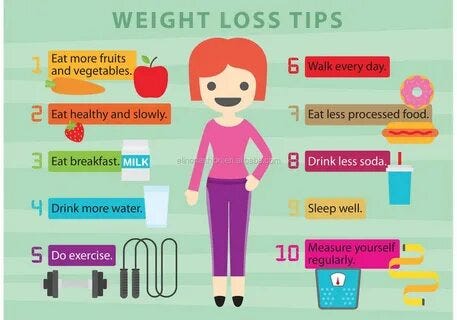
Conclusion
These 10 health tips for weight loss can be integrated into your daily routine and set you on the path to a healthier, happier life. Weight loss takes time, but adopting sustainable habits such as eating whole foods, exercising regularly, staying hydrated, and getting enough sleep will help you achieve and maintain a healthy weight. Most importantly, focus on the positive relationship with food and your body, and never forget: slow and steady wins over time.
It is quite easy to be consistent: make small changes, so you can control them completely, and lose weight while doing it.


0 Comments