
Life in the modern age is stressful. Apprehensions over work, personal, financial, or social issues are common, often leading to psychological distress. While a little bit of stress is normal and even healthy, excessive stress can be very harmful. Stress management is essential to maintaining mental health and overall happiness. In this article, we discuss useful tips and strategies for managing stress and improving mental health, backed by evidence-based approaches that can help you feel better, cope more effectively, and live a more balanced life.
Understanding Stress and Its Impact on Mental Health
Stress is the body’s natural reaction to demands or challenges, often referred to as the “fight or flight” response. In certain situations, such as preparing for a big presentation or staying alert during a crisis, acute stress is helpful. However, chronic stress can lead to a host of negative health outcomes, including anxiety, depression, and burnout.
Stress affects both the body and mind. Mentally, it can cause feelings of irritability, fatigue, difficulty concentrating, and mood swings. Physically, chronic stress can contribute to various health problems, including headaches, high blood pressure, digestive disorders, and sleep disturbances.
Being vigilant and aware of the signs of stress early on allows for effective management. Although stress may feel overwhelming at times, the right tools and mindset can significantly reduce stress levels and help you achieve better mental well-being.
1. Mindfulness and Meditation
Mindfulness and meditation are powerful techniques that can help reduce stress and improve mental clarity. Mindfulness involves paying full attention to the present moment, without judgment. By practicing mindfulness, you learn to observe your thoughts, feelings, and physical sensations without becoming overwhelmed by them.
Meditation, on the other hand, is a structured practice that involves focusing on something, such as your breath, or repeating a mantra. Research shows that both mindfulness and meditation can lower cortisol (the stress hormone), reduce anxiety, and enhance overall psychological well-being.
How to Practice:
Start with just 5–10 minutes a day for mindfulness or meditation. Apps like Headspace and Calm offer guided sessions to help you build a regular practice and make mindfulness part of your daily routine.
2. Exercise Regularly
Exercise is one of the best natural stress relievers. Physical activity releases endorphins, the body’s feel-good hormones, which can significantly improve mood and reduce feelings of stress. Exercise also reduces muscle tension, improves sleep quality, increases energy, and contributes to better mental health.
How to Get Started:
You don’t need to engage in intense workouts to experience the benefits of exercise. Activities like walking, yoga, swimming, or even dancing can help alleviate stress. The key is to find something you enjoy, so it’s easier to stick with it.
Aim for at least 30 minutes of moderate exercise most days of the week. Even small, short-duration activities can make a big difference in managing stress.
3. Build a Support Network
Having a strong support network is essential for reducing stress and improving mental health. When you feel overwhelmed, talking to friends, family, or a trusted colleague can offer emotional relief and perspective. Opening up to others helps reduce feelings of isolation and can provide helpful advice.
If stress becomes unmanageable, consider seeking professional help. A therapist or counselor can assist you in developing effective coping strategies, exploring the root causes of your stress, and offering practical advice on improving mental health.
Additionally, joining a support group (online or in person) connects you with others who share similar experiences, offering a sense of belonging and mutual understanding.
4. Sleep Right
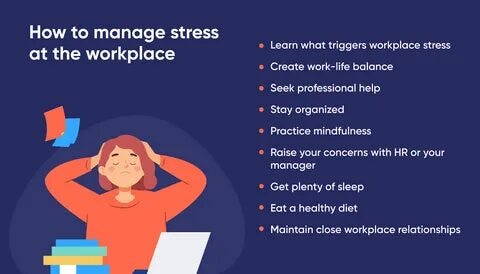
Sleep plays a critical role in stress management and mental health. Chronic sleep deprivation can exacerbate stress, making it harder to cope with daily challenges. On the other hand, getting enough rest helps restore both the body and mind, enhances mood, and improves cognitive function.
Sleep Tips:
Adults should aim for 7–9 hours of sleep per night. To improve sleep quality, establish a consistent sleep routine. Avoid caffeine and heavy meals close to bedtime, and consider incorporating a calming pre-sleep ritual, such as reading, taking a warm bath, or practicing relaxation techniques.
If you struggle with insomnia or other sleep disorders, seeking professional advice may be necessary.
5. Manage Time Wisely
Poor time management is a major source of stress. When overwhelmed by an endless to-do list, it’s easy to become anxious and feel like you’re losing control. Effective time management, however, can help restore balance and reduce stress.
Time Management Tips:
Start by prioritizing tasks and breaking them into manageable steps. Tools like to-do lists, planners, or digital productivity apps can help you stay organized. Focus on completing one task at a time, and avoid multitasking, which can increase stress and lead to mistakes.
Remember to delegate tasks when possible and don’t be afraid to say “no” to commitments that might overwhelm you. Setting healthy boundaries is key to maintaining a sense of calm.
6. Practice Deep Breathing
Deep breathing exercises are an effective technique for managing stress and promoting relaxation. Stress triggers shallow, rapid breathing, which activates the “fight or flight” response. Deep breathing, on the other hand, activates the body’s relaxation response, calming the nervous system and reducing stress.
Deep Breathing Technique (4–7–8):
- Inhale deeply through your nose for 4 counts.
- Hold your breath for 7 counts.
- Slowly exhale through your mouth for 8 counts.
Repeat this several times to calm your mind and body. Deep breathing can be done anywhere, at any time, making it a convenient tool for stress relief.
7. Maintain a Healthy Diet
What you eat can directly affect your stress levels and mental well-being. A balanced diet that includes a variety of nutrients, vitamins, and minerals supports both physical and mental health. Limit or avoid excessive consumption of alcohol, caffeine, and sugary foods, as these can trigger anxiety, mood swings, and stress.
Diet Tips:
Eat a variety of fruits, vegetables, whole grains, lean proteins, and healthy fats. Omega-3 fatty acids found in fish (like salmon) or flaxseeds can help alleviate symptoms of depression and anxiety. Foods rich in antioxidants — such as berries and leafy greens — help combat oxidative stress.
Stay hydrated by drinking plenty of water throughout the day, as dehydration can lead to irritability and fatigue.
8. Take Time Off and Care for Yourself
Taking regular breaks and practicing self-care are crucial for mental well-being and stress management. Burnout can lead to exhaustion, so it’s important to set aside time to relax and engage in activities that bring you joy, such as reading a book, going for a walk, or pursuing a hobby.
Self-Care Tips:
Self-care is not a luxury but a necessity. Whether it’s enjoying a warm bath, journaling, meditating, or engaging in a creative activity, make sure to prioritize self-care in your routine.
Conclusion
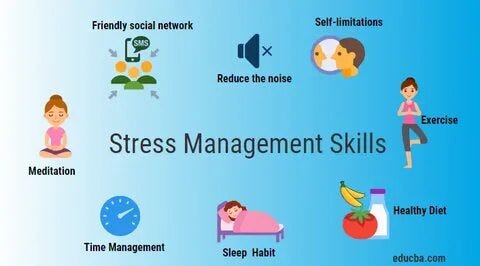
Stress is unavoidable, but it shouldn’t dominate your life. By practicing mindfulness, staying physically active, seeking support from loved ones, getting adequate sleep, and maintaining healthy habits, you can effectively manage stress and improve mental health. Keep in mind that stress management is a continuous process, and it takes time. Be patient with yourself as you incorporate these strategies into your life.
By prioritizing your mental health and adopting these practical stress management techniques, you’ll be better equipped to cope with life’s challenges and lead a more fulfilling, balanced life.


0 Comments