
In today’s fast-paced world, mental health challenges are becoming increasingly common, with millions of people experiencing stress, anxiety, depression, and other mood disorders. While traditional treatments such as therapy and medication are often part of the solution, many are now turning to a powerful yet often overlooked factor — nutrition.
Research has shown that what you eat plays a significant role in your mental health and overall well-being. Your diet can influence your mood, emotions, and cognitive functions. In this article, we will explore how nutrition impacts mental health, the foods that help elevate your mood, and the changes you can make to boost your emotional well-being.
The Link Between Diet and Mental Health
The connection between nutrition and mental health is complex and multifaceted. Our brains are highly sensitive to what we consume, as they require a wide variety of nutrients to function optimally. Certain foods can affect the production of neurotransmitters, which are chemicals that help regulate mood and mental health.
For example, serotonin, often referred to as the “feel-good” neurotransmitter, plays a key role in regulating mood, anxiety, and depression. Interestingly, about 90% of serotonin is produced in the gut, meaning that gut health and diet directly influence its production. A balanced diet rich in vitamins, minerals, healthy fats, and proteins can help maintain serotonin levels, which is essential for a positive mental state.
The Role of Nutrients in Mental Health
1. Omega-3 Fatty Acids
Omega-3 fatty acids are essential fats that the body cannot produce on its own. These fats are crucial for brain health and have been shown to help reduce symptoms of depression and anxiety. Omega-3s support the structure of brain cells and regulate the transmission of messages between them. Foods like fatty fish (salmon, mackerel), flaxseeds, chia seeds, and walnuts are excellent sources of omega-3s.
2. B Vitamins
B vitamins, particularly B6, B12, and folate, are vital for mental health. They help with the production of neurotransmitters like serotonin and dopamine, which regulate mood. Low levels of these vitamins have been linked to mood disorders such as depression and anxiety. Leafy greens, whole grains, eggs, and legumes are rich in B vitamins.
3. Magnesium
Magnesium is a mineral that helps regulate the nervous system and has a calming effect on the body. It plays a role in controlling stress, anxiety, and even insomnia. Studies suggest that magnesium deficiency may contribute to mental health problems. Foods high in magnesium include spinach, pumpkin seeds, almonds, and dark chocolate.
4. Vitamin D
Often referred to as the “sunshine vitamin,” vitamin D is crucial for maintaining a positive mood. Deficiency in vitamin D has been linked to a higher risk of depression. While sunlight is the primary source of vitamin D, you can also get it from foods like fortified milk, egg yolks, fatty fish, and mushrooms exposed to UV light.
5. Probiotics and Gut Health
The gut-brain connection has gained significant attention in recent years. A healthy gut microbiome is essential for mental health, as it influences the production of neurotransmitters like serotonin. Probiotics, found in fermented foods like yogurt, kimchi, sauerkraut, and kombucha, help maintain a healthy balance of gut bacteria, which can improve mood and reduce anxiety.
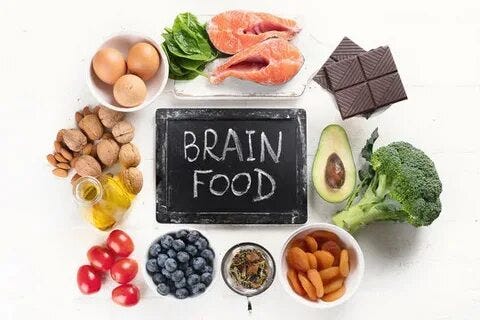
Foods That Can Boost Your Mood
Now that we’ve discussed the key nutrients for mental well-being, let’s take a closer look at specific foods that can have a positive effect on mood.
- Fatty Fish — Rich in omega-3 fatty acids, fatty fish like salmon, sardines, and mackerel have been shown to reduce symptoms of depression and anxiety.
- Leafy Greens — Spinach, kale, and other dark leafy greens are high in folate and magnesium, both of which support brain health and reduce feelings of fatigue and stress.
- Nuts and Seeds — Walnuts, almonds, flaxseeds, and chia seeds are great sources of omega-3s and magnesium, helping to balance mood and promote relaxation.
- Berries — Blueberries, strawberries, and other berries are packed with antioxidants, which help combat oxidative stress in the brain and support cognitive function.
- Whole Grains — Oats, quinoa, and brown rice provide complex carbohydrates, which help regulate blood sugar and promote a stable mood.
- Dark Chocolate — In moderation, dark chocolate has been shown to increase serotonin and endorphin levels, leading to improved mood and stress reduction.
- Fermented Foods — Foods like kimchi, sauerkraut, kefir, and kombucha are rich in probiotics, which promote gut health and contribute to a balanced mood.
Foods to Avoid for Better Mental Health
Just as certain foods can boost your mood, others can negatively impact mental well-being. Here are some foods to limit or avoid:
- Processed Foods — Highly processed foods, rich in refined sugars, unhealthy fats, and artificial additives, can contribute to mood swings and even increase the risk of depression and anxiety.
- Caffeine — While caffeine may offer a temporary energy boost, excessive consumption can lead to anxiety, irritability, and disrupt sleep, all of which affect mental health.
- Alcohol — Alcohol is a depressant that can worsen feelings of sadness and anxiety. While it may seem like a quick fix for stress, it can lead to long-term mental health issues.
- High Sugar Intake — Diets high in sugar have been linked to an increased risk of mood disorders, as they cause blood sugar spikes and crashes, leading to irritability and fatigue.
Tips for Improving Your Diet for Better Mental Health
Making dietary changes to improve mental health doesn’t have to be overwhelming. Here are some simple tips to help:
- Eat a Balanced Diet — Focus on whole, unprocessed foods like fruits, vegetables, lean proteins, and healthy fats to nourish your body and mind.
- Hydrate — Dehydration can affect your mood and cognitive function, so make sure to drink plenty of water throughout the day.
- Limit Junk Food — Reduce your intake of processed snacks, sugary beverages, and fast food, which can negatively impact your mental well-being.
- Eat Regularly — Skipping meals or going long periods without food can cause blood sugar fluctuations, leading to irritability and mood swings. Try to eat smaller meals throughout the day.
- Mind Your Gut Health — Incorporate probiotics into your diet through foods like yogurt, kefir, and fermented vegetables to maintain a healthy gut-brain connection.

Conclusion
The relationship between nutrition and mental health is powerful and undeniable. By fueling your body with the right nutrients and making mindful choices about the foods you eat, you can support your mental well-being and improve your mood. Nutrients like omega-3 fatty acids, B vitamins, magnesium, and probiotics play essential roles in keeping your brain and emotions in balance.
Remember, a healthy diet is just one part of the equation when it comes to mental health. It’s important to combine proper nutrition with other self-care practices such as exercise, sleep, and stress management. By taking a holistic approach to mental well-being, you can enhance your overall quality of life and find greater peace of mind.


0 Comments