
Many people’s ultimate goal is to maintain a healthy weight. Whether you want to lose a few pounds, feel healthier, or improve your eating habits, understanding how nutrition and weight loss work together is key. There’s no single approach that works for everyone, but focusing on nutrient-dense foods and making sustainable lifestyle choices will help you achieve your objectives.
In this article, we will explore five essential health tips for increasing weight loss and getting better results. From mindful eating to making smarter food choices, these tips will help you build a long-term path to effective weight loss.
1. Eat More Whole Foods, Fewer Processed Foods
A diet based on whole, nutrient-dense foods forms the foundation of a successful weight loss program. Whole foods are minimally processed and packed with the nutrients your body needs to function at its best. Examples include fruits, vegetables, lean proteins, whole grains, nuts, seeds, and legumes.
In contrast, processed foods are often loaded with unhealthy fats, sugars, and additives, which contribute to weight gain and hinder weight loss. These foods spike blood sugar, leading to cravings, overeating, and fat storage. By prioritizing whole foods, you provide your body with essential nutrients that help enhance your metabolism and regulate hunger, making it easier to maintain a healthy weight.
Actionable Tip:
Emphasize fresh vegetables, fruits, and lean proteins like chicken, fish, tofu, or beans. Choose whole grains such as quinoa, brown rice, and oats over refined grains like white bread and pasta.
2. Practice Mindful Eating for Better Portion Control
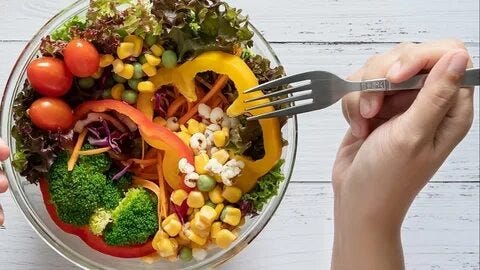
One of the most effective ways to manage your food intake and improve weight loss is mindful eating. This involves paying full attention to the sensory experience of eating — savoring the taste, texture, and aroma of your food — while being present during your meals, without distractions like watching TV or scrolling through your phone.
When you eat mindfully, you’re less likely to overeat or make poor food choices. It helps you tune into your body’s hunger and fullness cues, so you don’t eat beyond the point of satisfaction. This leads to better portion control, improved digestion, and a healthier relationship with food.
Actionable Tip:
Eat slowly, chew your food thoroughly, and take breaks between bites. This helps you enjoy your meal and recognize when you’re full, reducing overeating.
3. Add Protein and Healthy Fats to Every Meal
Both protein and healthy fats are crucial in any successful weight loss plan. They help keep you feeling fuller for longer, which reduces the risk of overeating. Protein supports muscle maintenance and growth, boosting metabolism and increasing calorie burn even at rest. Healthy fats, such as those found in avocados, nuts, seeds, and olive oil, play a vital role in hormone regulation, brain health, and overall well-being.
While cutting calories is often the focus in weight loss, ensuring your meals contain adequate protein and healthy fats will make your weight loss more sustainable and effective. These nutrients also stabilize blood sugar levels, reducing cravings and providing sustained energy throughout the day.
Actionable Tip:
Include lean protein sources like chicken, turkey, tofu, or legumes, and healthy fats such as avocado, nuts, or olive oil in every meal to stay satisfied.
4. Hydration: Support Your Weight Loss Plans
Water is essential for fat burning, appetite control, and proper digestion. Sometimes, feelings of hunger are actually signs of dehydration. Drinking sufficient water throughout the day can help curb unnecessary snacking and ensure your body operates efficiently.
In addition to water, herbal teas and other non-caloric beverages contribute to hydration. If plain water feels monotonous, try infusing it with fruits or herbs to add flavor without extra calories. Staying hydrated also reduces water retention and bloating, which can cause the illusion of weight gain.
Actionable Tip:
Aim for at least 8 cups (64 ounces) of water per day, and more if you are physically active. Start your day with a glass of water and sip it throughout the day to stay hydrated.
5. Exercise Regularly and Combine It with a Balanced Diet
While nutrition is the foundation of weight loss, exercise is equally important. Regular physical activity burns calories, improves metabolism, and helps build muscle, which accelerates fat loss. Combining cardiovascular exercise (such as running, cycling, or swimming) with strength training (like weight lifting or bodyweight exercises) is the most effective approach to achieving weight loss.
Strength training is particularly important because it builds lean muscle mass, which boosts your metabolism and helps you burn more calories even at rest. Cardiovascular exercise burns calories during the activity itself and improves heart health. When combined with a balanced diet, regular exercise leads to more significant and lasting weight loss results.
Actionable Tip:
Engage in a mix of cardio and strength training exercises. Aim for at least 30 minutes of moderate-intensity exercise most days of the week. Start at a comfortable pace and gradually increase the intensity as you build strength and endurance.

Conclusion
Nutrition and weight loss are inextricably linked, and making small, sustainable changes to your eating habits can lead to long-term results. By prioritizing whole foods, practicing mindful eating, including protein and healthy fats in your meals, staying hydrated, and exercising regularly, you can set yourself up for success on your weight loss journey.
Consistency is key, and the focus should be on creating habits that are easy to maintain over time. While fad diets may offer short-term results, adopting healthy lifestyle choices will give you lasting weight loss and better overall health.
These five health tips will not only help you lose weight but also improve your energy levels, boost your self-esteem, and enhance your overall well-being. Keep consistent, stay patient, and trust that the results will follow.


0 Comments