
In today’s fast-paced world, maintaining a healthy lifestyle can be a challenge for many. A proper balanced diet is essential for providing the body with the necessary nutrients for optimal functionality. Whether you’re looking to lose weight, increase energy levels, or simply live a healthier life, understanding what makes up a balanced diet can help you get on the right track. This ultimate guide explores the importance of a balanced diet, its key components, and practical tips to create a diet that supports optimal health and wellness.
What is a Balanced Diet?
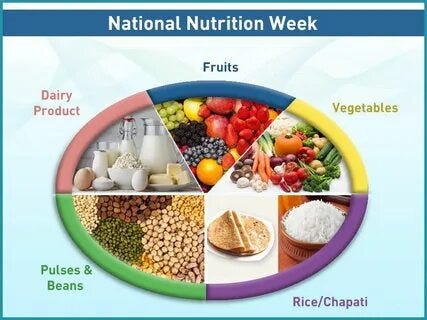
A balanced diet refers to a nutrition plan that provides the right proportion of various foods to give the body all the essential nutrients it needs for proper functioning. These nutrients include carbohydrates, proteins, fats, vitamins, minerals, and water. Each component plays a vital role in supporting bodily functions, from energy production to immune support and tissue repair.
By ensuring no single nutrient is overrepresented or underrepresented, a balanced diet helps prevent deficiencies, promotes long-term health, and maintains overall wellness.
Key Components of a Balanced Diet
A balanced diet is based on the intake of essential nutrients. Let’s break down the key components that contribute to a healthy, well-rounded diet.
1. Carbohydrates: The Body’s Primary Source of Energy
Carbohydrates are the main source of energy for the body. When consumed, carbohydrates break down into glucose, which is used as fuel. Common sources of carbohydrates include bread, rice, pasta, fruits, vegetables, and legumes.
Types of Carbohydrates:
- Simple Carbohydrates: Found in foods like candy, soda, and baked goods, simple carbs provide quick energy but lack essential nutrients.
- Complex Carbohydrates: Found in whole grains, vegetables, and legumes, complex carbs release energy steadily and are rich in fiber, which supports healthy digestion.
2. Proteins: Building Blocks for Muscle and Tissue Repair
Proteins are critical for building and repairing tissues, including muscles, skin, and organs. They also play an important role in producing enzymes and hormones. High-quality protein sources include lean meats, poultry, fish, eggs, legumes, nuts, and dairy products.
Types of Protein:
- Complete Proteins: These contain all nine essential amino acids and are found in animal-based foods such as meats, fish, and dairy.
- Incomplete Proteins: These lack one or more essential amino acids and are typically found in plant-based foods. However, combining different plant proteins (e.g., beans and rice) can create a complete amino acid profile.
3. Fats: Necessary for Brain Activity and Hormone Production
Healthy fats are essential for brain function, hormone production, and the absorption of fat-soluble vitamins (A, D, E, and K). While fats often get a bad rap, not all fats are harmful. When consumed in moderation, healthy fats support overall health.
Types of Fats:
- Unsaturated Fats: Found in foods like olive oil, avocado, nuts, and fatty fish (such as salmon), these fats improve heart health and reduce inflammation.
- Saturated Fats: Found in animal products and processed foods, saturated fats should be consumed in moderation as they may raise cholesterol levels.
- Trans Fats: Common in processed and packaged foods, trans fats are harmful and should be avoided.
4. Vitamins and Minerals: Micronutrients for Overall Health
Vitamins and minerals are needed for various bodily functions, including immune support, bone health, and cellular function. These nutrients are found in fruits, vegetables, whole grains, and lean proteins.

Key Vitamins and Minerals:
- Vitamin A: Important for vision, immune function, and skin health. Found in carrots, sweet potatoes, and leafy greens.
- Vitamin C: Boosts the immune system and supports collagen production. Found in citrus fruits, berries, and bell peppers.
- Calcium: Essential for strong bones. Found in dairy products, leafy greens, and fortified plant-based milk.
- Iron: Necessary for oxygen transport in the blood. Found in red meat, spinach, and lentils.
5. Water: The Most Essential Nutrient
Water is often taken for granted, but it is crucial for survival. It aids digestion, regulates body temperature, and helps transport nutrients. Hydration is key to maintaining proper bodily functions, and dehydration can lead to fatigue, poor concentration, and headaches.
Benefits of a Balanced Diet
A well-balanced diet offers numerous benefits, including:
- Improved Energy Levels: A variety of nutrients throughout the day helps keep energy levels stable, preventing the crashes often associated with poor eating habits.
- Stronger Immunity: A diet rich in fruits, vegetables, and lean proteins helps strengthen the immune system, reducing the risk of infections.
- Healthier Weight Control: A balanced diet ensures the body gets the nutrients it needs without consuming excessive calories, supporting healthy weight management.
- Better Mental Health: Nutrient-rich foods, especially those high in omega-3 fatty acids and B vitamins, help improve mood, reduce anxiety, and support cognitive function.
- Reduced Risk of Chronic Diseases: A balanced diet lowers the risk of developing chronic conditions like heart disease, diabetes, and certain cancers by promoting overall bodily health.
Tips to Develop a Healthy Diet
Here are some practical tips to help you create a balanced and nutritious diet:
1. Focus on Whole, Less-Processed Foods
Minimize your intake of processed and packaged foods, which are often high in unhealthy fats, added sugars, and sodium. Instead, prioritize fresh fruits, vegetables, whole grains, lean proteins, and healthy fats, which are packed with essential nutrients.
2. Practice Portion Control
Even healthy foods can contribute to weight gain if consumed in large quantities. Practice portion control by using smaller plates, measuring cups, or mindful eating practices to ensure you’re not overeating, even when the foods are nutritious.
3. Include a Variety of Colors in Your Diet
The more colorful your plate, the more likely you are to get a range of nutrients. Different colors in fruits and vegetables represent different phytonutrients, which contribute to overall health. For example, leafy greens are rich in vitamins and minerals, while red peppers are a great source of vitamin C.
4. Balance Macronutrients Throughout the Day
Ensure that each meal contains a balance of carbohydrates, proteins, and fats. This helps sustain energy levels, promotes satiety, and helps maintain stable blood sugar. For example, pairing a whole grain with a protein source, such as quinoa and chicken, will help provide balanced nutrition throughout the day.
5. Stay Hydrated
Hydration is essential for maintaining energy levels and overall bodily functions. Aim to drink at least 8 cups of water a day, although your needs may vary based on activity level and climate. If plain water feels boring, try infusing it with fruits or herbs for added flavor.
Conclusion
A balanced diet is the foundation of optimal health and wellness. By ensuring your body receives a variety of nutrients from different food sources, you can boost your energy, improve your mental clarity, and reduce the risk of chronic diseases. Remember, there’s no single “magic food” for health, but when nutrients are consumed in the right proportions, they work together to support your long-term well-being.
With the tips outlined in this guide, you can create a balanced eating plan that fits your lifestyle and wellness goals. Whether you’re looking to lose weight, boost your energy, or simply feel your best, starting with a balanced diet is the key to success. Make informed choices about your nutrition, and take charge of your health today!


0 Comments