
Anxiety is a natural reaction to stress, but when it becomes unbearable or chronic, it can significantly affect your mental and physical health. The Anxiety and Depression Association of America states that anxiety disorders are the most common mental illness, affecting more than 40 million adults in the U.S. Fortunately, there are many effective coping strategies for anxiety that can help you regain control, reduce stress, and improve your overall well-being.
In this article, we will analyze some of the best-tested anxiety management techniques that you could incorporate into your daily routine to improve your psychological well-being and quality of life.
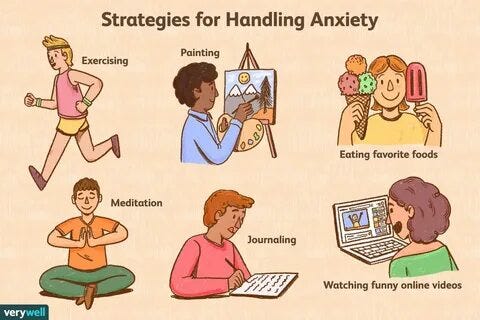
1. Mindfulness Meditation
Mindfulness meditation is perhaps the most effective technique for managing anxiety. It helps you focus on the present moment without judgment, breaking the constant cycle of worry and rumination that often fuels anxiety. The key to gaining control over anxious thoughts and feelings is training your mind to stay grounded in the present.
Getting Started with Mindfulness Meditation:
- Find a quiet spot where you can sit comfortably.
- Close your eyes and concentrate on your breath.
- Breathe slowly and deeply, paying attention to the sensations you feel during each inhale and exhale.
- If your mind begins to wander, gently guide your attention back to your breath.
Even just 10 minutes a day can make a significant difference in anxiety levels over time. You can also complement these practices with guided meditation apps like Headspace or Calm.
2. Exercise Regularly
Exercise is a very effective natural remedy for anxiety. Physical activity stimulates the production of endorphins, also known as the “feel-good” chemicals in the brain, which help alleviate stress and improve mood. Exercise also enhances sleep quality, which is crucial in controlling anxiety.
Best Exercises for Anxiety:
- Aerobic Exercise (running, swimming, cycling)
- Yoga (combines stretching, breathing, and meditation)
- Strength Training (lifting weights helps release pent-up tension)
Aim for at least 30 minutes of moderate exercise most days of the week. Exercise helps lower cortisol (a stress hormone) and promotes a more relaxed state of mind.
3. Cognitive Behavioral Therapy (CBT)
Cognitive Behavioral Therapy (CBT) is a proven, evidence-based treatment for anxiety disorders. It helps identify and challenge negative thought patterns that lead to anxiety. By changing these thoughts and behaviors, you can learn healthier responses to stressors.
Key Components of CBT for Treating Anxiety:
- Cognitive Restructuring: Identifying irrational, exaggerated thoughts and replacing them with more balanced, realistic ones (e.g., replacing “I’m going to fail” with “I’m prepared and can handle this”).
- Exposure Therapy: Gradual confrontation of feared situations to reduce avoidance behavior and anxiety.
- Behavioral Activation: Engaging in enjoyable, rewarding activities to counteract negative effects of anxiety.
While some CBT techniques can be practiced on your own, seeking help from a licensed therapist can provide more in-depth support for complex anxiety issues.
4. Healthy Sleep Habits
Poor sleep can worsen anxiety, making it harder to cope with stress. On the other hand, restful sleep significantly improves mental health and helps regulate emotions.
Tips for Better Sleep Hygiene:
- Set a Regular Sleep Schedule: Go to bed and wake up at the same time every day.
- Create a Relaxing Bedtime Routine: Engage in calming activities like reading or listening to soothing music before bed.
- Limit Screen Time: Avoid screens (phones, computers, TVs) at least 30 minutes before bed as blue light can disrupt melatonin production.
- Make Your Bedroom Sleep-Friendly: Keep it cool, dark, and quiet.
If sleep problems persist despite these changes, consult a healthcare professional for further guidance.
5. Deep Breathing Exercises
Breathing exercises are simple yet effective tools to reduce anxiety in the moment. Deep breathing activates the parasympathetic nervous system, which is responsible for relaxation. This can help lower heart rate, reduce muscle tension, and promote calm.
Simple Deep Breathing Technique:
- Box Breathing (Square Breathing):
- Inhale slowly through your nose for a count of 4.
- Hold your breath for a count of 4.
- Exhale slowly through your mouth for a count of 4.
- Hold your breath for a count of 4 before starting again.
Practice this technique for 5–10 minutes or until you feel calmer. This exercise can be used whenever you feel anxious or stressed.
6. Limit Caffeine and Alcohol
Though caffeine and alcohol may seem to relieve anxiety temporarily, they can actually heighten it in the long run. Caffeine is a stimulant that increases heart rate and nervousness, while alcohol disrupts sleep and mood, worsening anxiety.
Tips for Managing Intake:
- Reduce Caffeine Consumption: Consider switching to decaffeinated coffee or tea, especially in the afternoon or evening.
- Limit Alcohol Intake: Keep alcohol consumption moderate and avoid using it as a coping mechanism for anxiety.
By reducing or eliminating these substances, you may see a noticeable improvement in your anxiety levels.
7. Journaling for Emotional Release
Journaling is an effective way to process and release the emotions that contribute to anxiety. Writing down your thoughts helps you gain perspective on your worries, identify anxiety triggers, and develop coping strategies.
How to Start Journaling for Anxiety:
- Write down your thoughts and feelings as they come to mind.
- Reflect on any specific situations or events that triggered your anxiety.
- Even on good days, note negative moments to shift focus away from negativity.
Journaling helps identify patterns of anxiety and offers insight into how to manage it better.
8. Seek Professional Help
If anxiety continues to interfere with your daily life, it may be time to seek professional help. A mental health professional can provide tailored coping strategies and treatments suited to your specific needs. Therapy, such as CBT or Acceptance and Commitment Therapy (ACT), can be especially beneficial for those dealing with chronic anxiety.
In some cases, medication may be necessary for symptom management. A healthcare provider may prescribe antidepressants, such as selective serotonin reuptake inhibitors (SSRIs), or benzodiazepines to treat anxiety.
9. Social Support
Building and maintaining strong relationships is crucial for managing anxiety. Isolation often worsens anxiety, so staying connected with friends, family, or support groups provides emotional comfort and reassurance. Open conversations with loved ones can make you feel understood and less isolated in your experience.

Conclusion
Anxiety is a common and often challenging condition, but with the right coping mechanisms, you can reduce its impact on your life. Practices such as mindfulness, regular exercise, CBT techniques, improving sleep, and seeking professional help can all lead to better mental health and well-being.
Remember, coping with anxiety is a gradual process. Be patient with yourself and stay consistent. With time and dedication, you can effectively manage anxiety and live a fulfilling life.


0 Comments