
Starting a healthy diet can be overwhelming, especially for first-timers. With all the diet plans, conflicting advice, and information overload, it is easy to get lost in the process. However, one of the most effective ways to improve overall well-being, boost energy, and enhance mental clarity is by adopting a healthy diet. This guide will simplify the journey by providing actionable steps to help you start eating clean and embrace a balanced lifestyle.
What is a Healthy Diet?
A healthy diet contains a mix of nutrient-dense foods in appropriate quantities that support all body functions and overall health. This includes adequate intake of the three macronutrients (carbohydrates, proteins, and fats) and essential micronutrients such as vitamins, minerals, and fiber from whole food sources. In contrast, processed foods, added sugars, and unhealthy fats should be consumed less frequently.
A clean eating approach focuses on eating whole, unprocessed foods and avoiding artificial additives. The idea is to fuel the body with nutrient-rich foods to maintain energy levels and support optimal health.
Why Should You Start a Healthy Diet?
Starting a healthy diet offers several benefits, including:
Weight Management
A balanced diet helps in managing body weight, reducing the risk of obesity and related health conditions.
Higher Energy Levels
Clean eating ensures that your body receives the necessary nutrients to maintain energy levels throughout the day.
Better Mental Health
Research shows that a healthy diet can improve mood and reduce symptoms of anxiety and depression.
Better Digestion
A diet rich in fiber supports gut health and digestion, reducing bloating and discomfort.
Reducing the Risk of Chronic Diseases
Adopting a healthy diet can help reduce the risk of chronic diseases, including heart disease, diabetes, and hypertension.
Step-by-Step Guide to Start Eating Clean
1. Start with Simple Changes
The key to starting a healthy diet is making gradual changes. Instead of overhauling your entire eating routine overnight, begin by implementing small, manageable steps that align with a clean eating philosophy. This way, you can ease into a healthy diet without feeling overwhelmed.
- Replace Processed Snacks: If you’re used to snacking on chips or cookies, start replacing them with whole food options like nuts, fruits, or vegetables.
- Drink More Water: Hydration is essential for good health. Replace sugary sodas and energy drinks with water, herbal teas, or infused water with fresh fruits.
2. Eat More Whole Foods
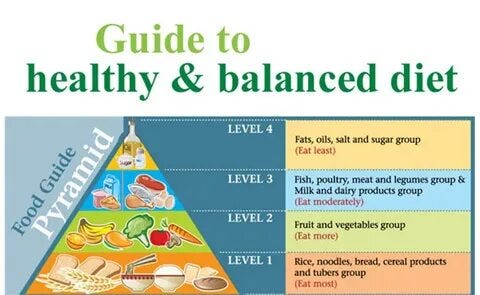
A core aspect of clean eating is consuming more unprocessed whole foods. These foods are packed with essential nutrients, fiber, and antioxidants that support various bodily functions. Here’s how you can increase your intake of whole foods:
- Fruits and Vegetables: Aim to fill half of your plate with fruits and vegetables. Choose a variety of colors to get a broad range of nutrients.
- Whole Grains: Use whole grains instead of refined grains such as white bread and pasta. Brown rice, quinoa, oats, and whole-wheat bread are excellent choices that provide more fiber and essential nutrients.
- Lean Proteins: Choose lean protein sources like chicken, turkey, tofu, beans, and fish. These protein-rich foods help build and repair muscles, improve immunity, and support overall health.
- Healthy Fats: Add healthy fats like avocado, olive oil, nuts, and seeds to your meals. These fats are beneficial for heart health and help maintain a balanced diet.
3. Read Food Labels
When buying packaged food, always read the labels carefully. Many processed foods contain hidden sugars, unhealthy fats, and artificial additives that contribute to poor health. Look for:
- Minimal Ingredients: The fewer ingredients, the better. Choose foods with recognizable, whole ingredients.
- No Added Sugars: Avoid foods with added sugars. Opt for naturally sweet options like fruits to satisfy your sweet tooth.
- Low Sodium: Too much sodium can lead to high blood pressure. Choose products with low sodium or use herbs and spices to season your food instead of salt.
4. Limit Processed Foods and Sugars
Processed foods, such as fast food, packaged snacks, sugary drinks, and sweets, are often high in empty calories and low in nutrients. These foods contribute to weight gain, poor digestion, and an increased risk of chronic diseases. While occasional indulgences are fine, aim to prioritize nutrient-dense foods most of the time. Here’s how to limit processed foods:
- Cook at Home: Preparing meals at home gives you control over the ingredients and allows you to avoid unwanted additives and unhealthy fats.
- Avoid Sugary Beverages: Replace sugary sodas and juices with water, sparkling water, or herbal teas. You can also add natural sweeteners like stevia or honey if necessary.
5. Practice Portion Control
Portion control is one of the most important elements of a healthy diet. Even when eating healthy foods, be mindful of serving sizes. Overeating healthy foods can still lead to weight gain.
- Use Smaller Plates: Opt for smaller plates or bowls to help control portion sizes and prevent overeating.
- Listen to Your Body: Eat when you’re hungry and stop when you’re full. Avoid eating out of boredom or stress.
6. Plan Your Meals
Planning your meals is an excellent way to stay on track with a healthy diet. Meal planning ensures you have balanced meals throughout the week, reducing the temptation to rely on last-minute, unhealthy food choices.
- Create a Weekly Menu: Plan your meals for the week, including breakfast, lunch, dinner, and snacks. This helps ensure you’re getting a variety of nutrients.
- Meal Prep in Advance: Meal prepping saves time and ensures that healthy meals are always ready to go. This can also help prevent you from reaching for unhealthy takeout options.
7. Practice Mindful Eating
Mindful eating is the practice of paying attention to how and when you eat. This allows you to make better food choices, reduce overeating, and improve digestion.
- Eat Slowly: Take your time, chew your food thoroughly, and savor each bite. This will help your body digest food more effectively and allow your brain to recognize fullness.
- Avoid Distractions: Try to eat without distractions like television or smartphones. Focus on the flavors, textures, and smells of your food to enhance your eating experience.
8. Stay Consistent and Be Patient
Starting a healthy diet isn’t about perfection; it’s about consistency. It’s normal to slip up occasionally, but don’t let it derail your progress. Stick to your clean eating habits as much as possible and be patient with the process. Over time, these habits will become second nature, and you’ll notice improvements in your overall health.
9. Exercise Regularly
While diet is important, regular physical activity is just as essential. Exercise helps maintain weight, boosts energy, and improves overall health. Aim for at least 30 minutes of moderate exercise most days of the week.
- Combine Cardio and Strength Training: A mix of cardiovascular exercise and strength training will help improve endurance, burn calories, and build muscle mass.
- Find Enjoyable Activities: Engage in activities you enjoy, such as walking, cycling, swimming, or yoga. This will make it easier to stick to a regular exercise routine.

Conclusion
Healthy eating doesn’t have to be complicated. By taking small, consistent steps and focusing on whole, nutrient-dense foods, you can transform your eating habits and experience a wide range of health benefits. Remember, success comes from gradual changes, so be patient with yourself and stay committed to your long-term wellness.
By following the clean eating approach, you’re investing in your health and well-being, which will pay off in the long run. It’s all about making mindful choices that will leave you feeling energized, nourished, and ready to tackle whatever the day brings.


0 Comments