
In today’s fast-paced world, where processed foods, sugary snacks, and convenience meals dominate, building a sustainable healthy eating plan is crucial for achieving long-term health goals. Whether you’re aiming to lose weight, boost your energy levels, or simply maintain a healthy lifestyle, creating a balanced eating plan is essential. This guide will walk you through the steps to develop a healthy eating plan that is not only effective but also practical and maintainable in the long term.
1. Understand the Importance of Sustainability in Your Eating Plan
The foundation of any healthy eating plan is sustainability. It’s not about temporary fixes or extreme diets but about making long-term changes that fit seamlessly into your lifestyle. Fad diets that are too restrictive or extreme often lead to short-term results but are unsustainable and can lead to burnout. A sustainable eating plan is about making realistic adjustments that support your health goals while being manageable over time.
Why Sustainability Matters:
- Prevents burnout: Extreme diets can cause feelings of deprivation, making them hard to maintain.
- Promotes balance: A sustainable plan encourages healthier choices without restricting you too much.
- Supports long-term health: Establishing consistent, healthy habits is far more beneficial than temporary changes.
2. Focus on Nutrient-Dense, Whole Foods
A healthy eating plan should prioritize whole, nutrient-dense foods. These foods provide your body with the essential vitamins, minerals, and other nutrients it needs for optimal health, rather than just empty calories. By choosing whole foods, you’re fueling your body with quality nutrients that help you stay energized and healthy.
Key Nutrient-Dense Foods to Include:
- Fruits and vegetables: Packed with fiber, vitamins, and antioxidants, they support immunity, digestion, and overall health.
- Lean proteins: Sources like chicken, fish, tofu, eggs, and legumes help with muscle repair and keep you feeling full longer.
- Whole grains: Quinoa, brown rice, oats, and whole wheat provide complex carbohydrates and fiber, supporting stable blood sugar levels.
- Healthy fats: Avocados, nuts, seeds, olive oil, and fatty fish like salmon are crucial for brain function, hormone regulation, and heart health.
Including a variety of these foods in your daily meals ensures you’re nourishing your body without filling up on processed, calorie-dense foods.
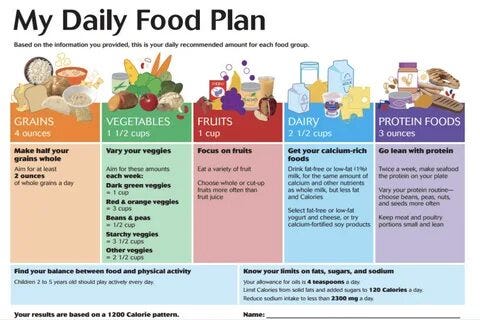
3. Create a Balanced Plate with Proper Portion Sizes
Balancing macronutrients — proteins, carbohydrates, and fats — is essential to maintaining energy levels and controlling hunger. One of the easiest ways to ensure a balanced meal is to use the plate method, which divides your plate into portions that represent the ideal distribution of nutrients.
Plate Method Breakdown:
- Half of the plate should be filled with non-starchy vegetables: These vegetables are low in calories and high in fiber, helping you stay full and nourished.
- One-quarter of the plate should be lean protein: Protein is crucial for muscle repair and helps with satiety.
- One-quarter of the plate should contain whole grains or starchy vegetables: These provide slow-digesting carbohydrates for sustained energy throughout the day.
This approach ensures that your meals are balanced, nutrient-dense, and satisfying without the need to count calories.
4. Pay Attention to Mindful Eating and Portion Control
Mindful eating involves being fully present during your meals, which can help improve your relationship with food and prevent overeating. Paying attention to your body’s hunger cues and eating slowly can make a big difference in your eating habits.
Tips for Mindful Eating:
- Eat without distractions: Avoid eating in front of the TV or while on your phone. This allows you to be more aware of how much you’re eating and how full you feel.
- Chew thoroughly: Take time to chew your food properly. This helps with digestion and allows you to enjoy your food more fully.
- Listen to your body: Pay attention to when you’re truly hungry and when you’re satisfied. Avoid eating out of boredom or stress.
- Practice portion control: Use smaller plates and bowls to help naturally limit portion sizes.
Mindful eating helps you make better food choices and prevents overeating by tuning into your body’s signals.
5. Stay Hydrated with Water
Proper hydration is essential for overall health. Water helps with digestion, keeps your skin healthy, and boosts energy levels. Many people often confuse thirst with hunger, which can lead to unnecessary snacking.
Tips for Staying Hydrated:
- Drink water throughout the day: Carry a water bottle with you and aim to drink at least 8 glasses of water a day.
- Eat hydrating foods: Include fruits and vegetables like cucumbers, oranges, and watermelon, which have high water content.
- Start your day with water: Drinking a glass of water in the morning can jump-start your metabolism and rehydrate your body after a night’s sleep.
Be sure to drink extra water if you’re engaging in physical activities to replace fluids lost through sweat.
6. Plan Your Meals Ahead of Time
Meal planning is one of the best strategies for maintaining a healthy eating plan over the long term. By planning your meals, you reduce the chances of reaching for unhealthy foods or skipping meals because you didn’t have time to prepare.
Benefits of Meal Planning:
- Saves time and reduces stress: Planning your meals in advance eliminates the need for last-minute decisions, making grocery shopping and cooking more efficient.
- Helps you avoid unhealthy choices: When you have healthy meals ready to go, you’re less likely to resort to takeout or processed snacks.
- Supports balanced nutrition: Planning ensures that each meal includes the right nutrients your body needs.
Set aside time each week to plan and prep your meals. This simple habit can make it much easier to stick to a healthy eating plan.
7. Allow for Flexibility and Enjoy Treats in Moderation
It’s important to focus on healthy eating, but it’s also essential to allow yourself occasional indulgences. Depriving yourself entirely of treats can lead to frustration and, ultimately, cause you to abandon your healthy eating plan.
Tips for Moderation:
- Practice the 80/20 rule: Aim to eat healthy 80% of the time and enjoy your favorite foods in moderation 20% of the time. This helps maintain balance and prevents feelings of deprivation.
- Don’t feel guilty: When you have a treat, enjoy it without guilt. Healthy eating is about balance, not perfection.
Being flexible with your eating habits helps make the plan more sustainable and enjoyable.
8. Include Regular Physical Activity
While nutrition plays a significant role in maintaining a healthy body, regular physical activity is equally important for long-term results. Exercise helps maintain a healthy weight, improves cardiovascular health, strengthens muscles, and boosts mood.
Tips for Staying Active:
- Choose activities you enjoy: Whether it’s walking, yoga, dancing, or running, pick something that feels enjoyable and rewarding.
- Stay consistent: Aim for at least 3–5 days of physical activity per week, starting with activities you enjoy and gradually building up your routine.
- Combine strength and cardio: A mix of strength training and cardiovascular exercises is ideal for overall fitness and fat loss.
Exercise and nutrition go hand in hand. Together, they promote sustained health and wellness.
Conclusion
Building a sustainable healthy eating plan requires careful planning, balance, and a focus on whole, nutrient-dense foods. It’s important to create a plan that aligns with your goals while being flexible enough to fit into your lifestyle. By practicing mindful eating, staying hydrated, planning your meals, and incorporating regular physical activity, you can achieve long-term health goals without feeling deprived. Remember, it’s about progress, not perfection. When you adopt a balanced approach, you can maintain a healthy eating plan that supports both your body and well-being for years to come.


0 Comments